

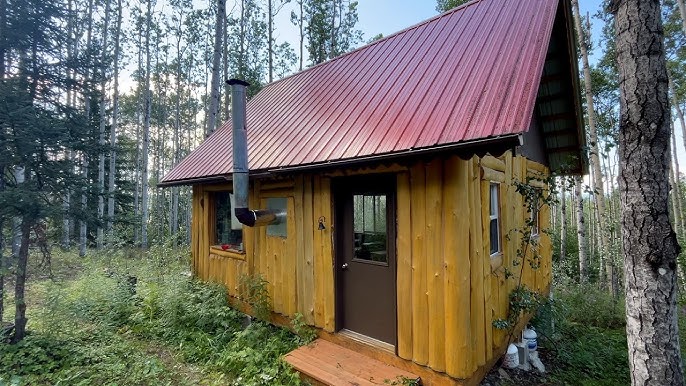
Building an off-grid cabin is more than a construction project; it is a lifestyle choice that embraces independence, sustainability, and a closer connection to nature. Whether you are dreaming of a secluded getaway in the mountains or a long-term self-sufficient home, the process requires careful planning, thoughtful design, and a willingness to adapt. With the right approach, you can create a comfortable and functional space that meets your needs without relying on traditional utilities.
Choosing the Perfect Location
Building an off-grid cabin begins long before the first log is cut or the foundation is laid. The location you choose will define your entire experience, from accessibility to sustainability. Ideally, you want a site that offers a balance of privacy and practicality. Consider proximity to a natural water source, exposure to sunlight for energy generation, and terrain that allows for stable construction. It’s equally important to research local regulations, zoning laws, and environmental restrictions to ensure your project is both legal and environmentally responsible.
A well-chosen site not only simplifies construction but also enhances long-term comfort. Gentle slopes, good drainage, and natural windbreaks can make a significant difference in how your cabin performs throughout the seasons.
Designing for Simplicity and Efficiency
An off-grid cabin thrives on thoughtful design. Since you won’t rely on traditional utilities, every square foot should serve a purpose. Open floor plans, multi-functional furniture, and efficient insulation all contribute to a comfortable yet practical living space. Large windows can maximize natural light and reduce the need for artificial lighting during the day.
Orientation plays a critical role as well. Positioning your cabin to face the sun can help regulate indoor temperatures and improve energy efficiency. Overhangs and shading elements can prevent overheating in summer while allowing warmth during colder months.
Building with the Right Materials
Material selection is essential for durability and sustainability. Locally sourced wood, reclaimed materials, and natural insulation options such as wool or cellulose can reduce environmental impact and costs. A sturdy foundation, whether it’s concrete piers or a slab, ensures your cabin can withstand changing weather conditions.
Weatherproofing should never be overlooked. Proper sealing, roofing, and insulation protect your cabin from moisture and temperature extremes. Investing time and effort in these aspects early on will save you significant maintenance work later.
Establishing Water and Energy Systems
Living off-grid means creating your own systems for water and electricity. Rainwater collection systems and nearby streams can serve as primary water sources, but filtration and purification are essential for safety. Storage tanks and gravity-fed systems can help maintain a consistent supply.
Energy is another critical consideration. Solar panels are the most popular choice for off-grid cabins, offering a renewable and relatively low-maintenance solution. Pairing them with a battery storage system ensures you have power even when the sun isn’t shining. For smaller energy needs or backup situations, a portable power station can provide flexibility and reliability without the noise and fumes of traditional generators.
Creating a Comfortable Living Space
Comfort doesn’t have to be sacrificed in an off-grid setting. Thoughtful interior design can make your cabin feel warm and inviting. Natural materials, soft lighting, and efficient heating options such as wood stoves contribute to a cozy atmosphere.
Even small conveniences can make a big difference. For example, having access to a hair dryer might seem like a luxury in a remote cabin, but with a well-planned energy system, it becomes entirely possible. These touches help bridge the gap between rugged living and modern comfort, making your off-grid experience more enjoyable.
Managing Waste and Sustainability
Sustainability is at the heart of off-grid living. Composting toilets, greywater systems, and mindful waste management practices reduce your environmental footprint. Recycling and minimizing single-use materials also contribute to a cleaner and more responsible lifestyle.
By designing systems that work with nature rather than against it, you create a harmonious balance that supports both your needs and the surrounding ecosystem.
Preparing for Long-Term Living
Building the cabin is only the beginning. Maintaining an off-grid lifestyle requires planning and adaptability. Seasonal changes, equipment upkeep, and resource management all play a role in long-term success. Stocking essential supplies, learning basic repair skills, and staying informed about weather conditions will help you navigate challenges with confidence.
Over time, your cabin will evolve into a personalized retreat that reflects your lifestyle and priorities. The effort you invest in planning and construction will pay off in the form of independence and tranquility.
Conclusion
Building an off-grid cabin is a rewarding journey that combines creativity, practicality, and a deep connection to nature. From selecting the right location to designing efficient systems, every step contributes to a self-sufficient and fulfilling way of life. To enhance your off-grid experience, reliable energy solutions are essential. Brands like ALLPOWERS offer innovative portable power options that make it easier to stay connected and comfortable, no matter how remote your cabin may be.
