

Melbourne is a powerhouse of trade, with businesses importing and exporting goods across the globe every day. Choosing the right freight method can make a major difference to your costs, delivery times, and overall supply chain efficiency. If you’re weighing up air freight versus sea freight, this guide breaks down the pros, cons, and best use cases—so you can ship smarter, not harder.
Why Freight Forwarding Matters for Melbourne Businesses
Freight forwarding isn’t just about moving goods from point A to point B. A reliable partner helps you navigate customs, manage documentation, optimise routes, and avoid costly delays.
Working with an experienced Melbourne freight forwarding with customs clearance services provider means local expertise combined with global reach—crucial for businesses operating in competitive international markets.
Understanding Air Freight Forwarding
Air freight is the go-to option when speed is non-negotiable.
Key Advantages of Air Freight
- Fast transit times, ideal for urgent or time-sensitive shipments
- High reliability due to predictable airline schedules
- Reduced inventory holding costs
- Enhanced security with minimal handling
When Air Freight Makes Sense
- Perishable goods such as food and pharmaceuticals
- High-value or lightweight products
- Emergency or just-in-time shipments
Limitations to Consider
- Higher costs compared to sea freight
- Size and weight restrictions
- Not ideal for bulk cargo
Understanding Sea Freight Forwarding
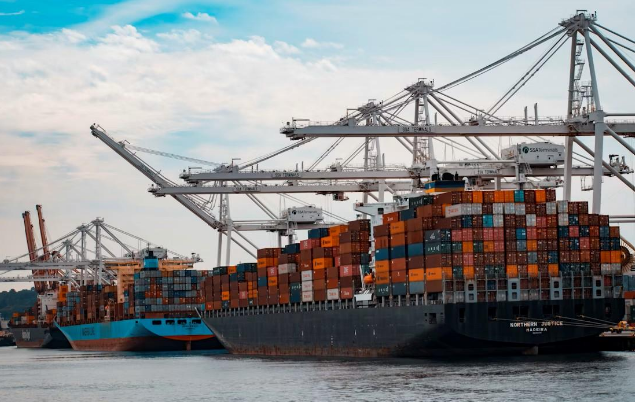
Sea freight is the backbone of global trade and remains the most cost-effective option for large shipments.
Key Advantages of Sea Freight
- Lower cost per unit for large volumes
- Flexible options including Full Container Load (FCL) and Less than Container Load (LCL)
- More environmentally efficient per tonne of cargo
When Sea Freight Is the Better Choice
- Large or heavy shipments
- Non-urgent deliveries
- Businesses focused on reducing logistics costs
Potential Drawbacks
- Longer transit times
- Possible delays due to port congestion or weather
- More complex documentation processes
Air vs Sea Freight: Key Differences at a Glance
Air Freight
- Very fast delivery
- Higher cost
- Best for urgent, high-value goods
Sea Freight
- Slower transit times
- More cost-effective
- Ideal for bulk and oversized cargo
How to Choose the Right Freight Option
Before deciding, consider:
- How urgent is your shipment?
- What is the size, weight, and value of your cargo?
- Are you prioritising speed or cost efficiency?
- Do you need scalability as your business grows?
Many Melbourne businesses use a blended approach, combining air and sea freight depending on timelines, budgets, and customer expectations.
Ship Smarter with the Right Freight Strategy
There is no one-size-fits-all solution when it comes to freight forwarding. Air freight delivers speed and reliability, while sea freight offers unbeatable value for larger shipments. By aligning your freight strategy with your business goals and working with the right logistics partner, Melbourne businesses can build efficient, resilient supply chains that support long-term growth.
